Sports wearable development
From racket sensors to smart insoles: we design the electronics, firmware, apps and mechanics that turn motion into insight — and take them to certified production.
Wearables are the hardest corner of IoT: meaningful motion data from a device small enough to forget you are wearing it, on a battery that lasts, in an enclosure that survives sweat, impact and the occasional washing machine. Most products in this space die somewhere between a working demo and hardware that athletes trust every week.
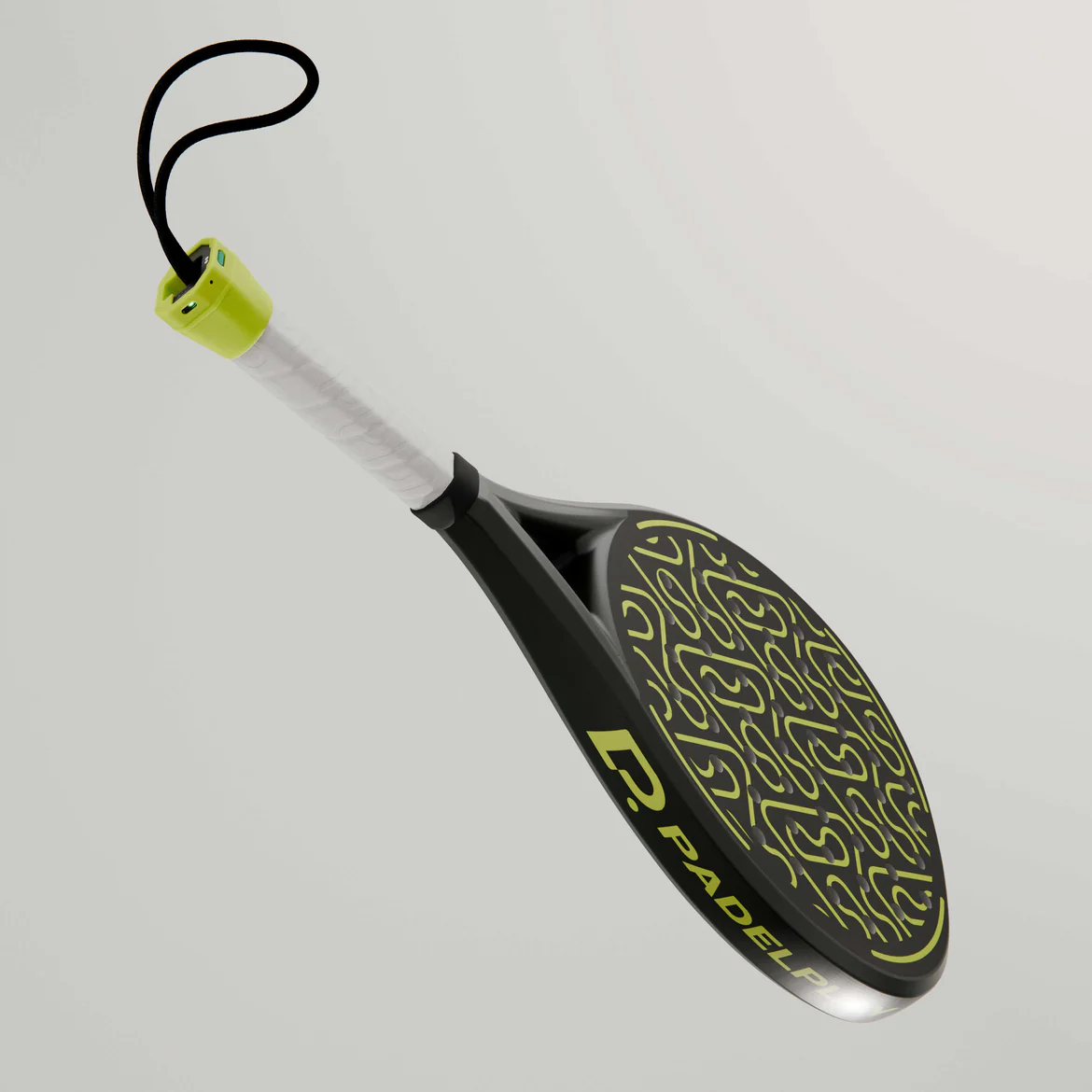
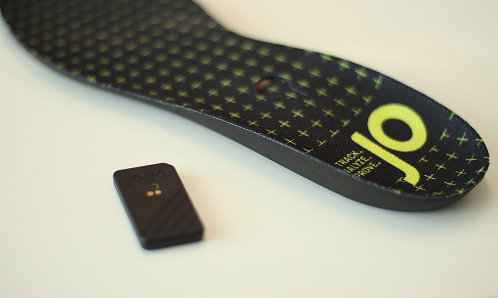
We have shipped through that gap. PadelPlay puts real-time swing analytics on a padel racket over Bluetooth LE, and JOGO tracks football training from an in-shoe sensor platform. One team covers sensor hardware, firmware, app and cloud — so the data pipeline is designed as a whole instead of stitched together across vendors.
What we build
Motion sensing & analytics
IMU selection, sensor fusion and on-device processing that turn raw accelerometer and gyroscope data into swings, steps, hits and technique metrics users actually act on.
Bluetooth LE & companion apps
Production-hardened BLE firmware with OTA updates, paired with Flutter apps that sync sessions reliably in real sports conditions — not just on the lab bench.
Ultra-low-power electronics
Power budgets engineered from day one: sleep currents, charging strategy and battery choice tuned so weeks of training fit in a wearable-sized cell.
Wearable-grade mechanics
Miniaturised PCBs and enclosures designed for the body: impact- and moisture-tested, IP-rated where needed, and prepared for injection moulding.
How a wearable project runs
Use case & requirements
We define what the wearable must sense, how accurately, and for how long on a charge — and what the athlete or user should see in the app.
Prototype hardware & firmware
A working sensor node with live data streaming, built on proven low-power platforms like Nordic nRF52/53, so validation starts within weeks.
Field testing & data validation
Real sessions with real users. We compare sensor output against ground truth and iterate the fusion algorithms until the metrics hold up.
DFM & certification
Design-for-manufacturing review, pre-compliance checks and CE/FCC certification — standard IoT CE typically completes in under two weeks via our accredited lab partner.
Production & scaling
Pilot runs to volume production with custom test fixtures and yield tracking via Insyght Console, managed by our engineer on site in Shenzhen.
Frequently asked questions
Can we make a very small wearable with long battery life?
We assess the whole system: battery, antenna, electronics, enclosure and how it is worn. First define the required measurements, update frequency and charging opportunities. Then measure energy consumption under representative conditions. Size, runtime, performance and cost influence one another, so we distinguish essential requirements from preferences.
Have you built sports wearables before?
Yes. PadelPlay is a smart padel racket sensor with real-time swing analytics over Bluetooth LE and a companion app, and JOGO is an in-shoe sensor platform for football training analytics. Both were built by our team covering electronics, firmware, app and cloud.
How do you get acceptable battery life in something so small?
By treating the power budget as a first-class requirement from day one: duty-cycle modelling before schematic capture, aggressive sleep states, the right radio strategy, and measured — not estimated — currents on every prototype revision.
Can you handle the mobile app and data platform too?
Yes, that is the point of one team: sensor fusion on the device, the BLE protocol, the Flutter app and the cloud backend are designed together, so session data syncs reliably and the metrics users see match what the sensor measured.
What does a wearable project cost and how is it structured?
Every programme is broken into stages with defined milestones — feasibility, prototype, field validation, DFM and production — each quoted separately, so you commit incrementally and always know the next decision point.
Do you take care of certification?
Yes. Pre-compliance is designed into the PCB, and we manage CE and FCC through our accredited lab partner — standard IoT CE certification typically completes in under two weeks.
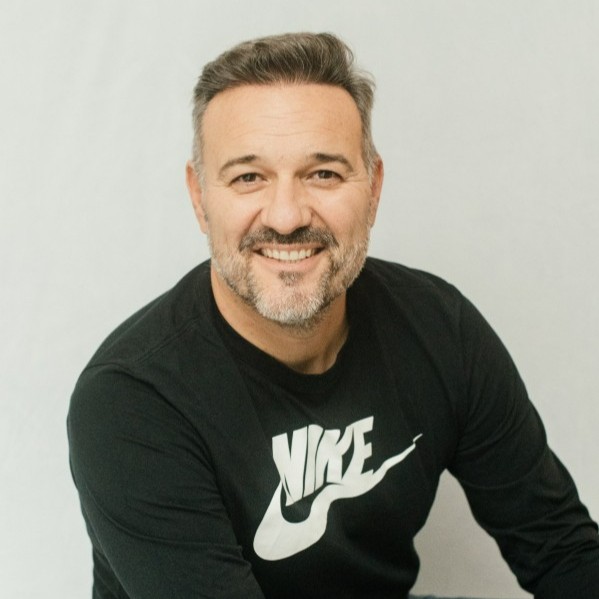
Building a smart padel racket with sensors, an app, and AI feedback sounds straightforward… until you actually try to do it. Insyght took care of everything: the electronics, integrating it into the racket, the firmware, and the app. One team and full ownership. And honestly, just great people to work with.
Building a sports wearable?
Talk to the team that shipped PadelPlay and JOGO — a free 30-minute consult on your sensor, battery and data questions.
'%3e%3cpath%20d='M0.512578%2012.7977C0.512016%2014.8142%201.04302%2016.7831%202.0527%2018.5185L0.416016%2024.448L6.53152%2022.857C8.22299%2023.7706%2010.1181%2024.2494%2012.044%2024.2495H12.0491C18.4067%2024.2495%2023.582%2019.1162%2023.5847%2012.8067C23.586%209.74933%2022.3871%206.87435%2020.2089%204.71138C18.0311%202.54858%2015.1347%201.35686%2012.0486%201.35547C5.6902%201.35547%200.515297%206.48849%200.512672%2012.7977'%20fill='url(%23paint0_linear_1455_10349)'/%3e%3cpath%20d='M0.100313%2012.7941C0.0996563%2014.8831%200.649687%2016.9224%201.69537%2018.72L0%2024.8621L6.33478%2023.214C8.08022%2024.1582%2010.0454%2024.6561%2012.0451%2024.6568H12.0502C18.636%2024.6568%2023.9972%2019.3389%2024%2012.8035C24.0011%209.63629%2022.7591%206.65796%2020.5031%204.4175C18.2468%202.17731%2015.2468%200.942709%2012.0502%200.941406C5.46337%200.941406%200.102938%206.25862%200.100313%2012.7941ZM3.87291%2018.4104L3.63637%2018.0379C2.64206%2016.4691%202.11725%2014.6563%202.118%2012.7948C2.12006%207.36271%206.57544%202.94327%2012.054%202.94327C14.7071%202.94438%2017.2005%203.97062%2019.0759%205.83257C20.9512%207.69471%2021.9831%2010.1701%2021.9824%2012.8028C21.98%2018.2349%2017.5245%2022.6549%2012.0502%2022.6549H12.0463C10.2638%2022.654%208.51569%2022.179%206.99113%2021.2814L6.62831%2021.0679L2.86912%2022.0459L3.87291%2018.4104Z'%20fill='url(%23paint1_linear_1455_10349)'/%3e%3cpath%20d='M9.06383%207.83911C8.84014%207.34581%208.60473%207.33586%208.39202%207.32721C8.21783%207.31976%208.0187%207.32032%207.81977%207.32032C7.62064%207.32032%207.29711%207.39465%207.02364%207.69093C6.74989%207.98748%205.97852%208.70414%205.97852%2010.1617C5.97852%2011.6193%207.04848%2013.028%207.19764%2013.2259C7.34698%2013.4234%209.26323%2016.5103%2012.2981%2017.6978C14.8204%2018.6847%2015.3336%2018.4884%2015.881%2018.4389C16.4285%2018.3896%2017.6477%2017.7225%2017.8964%2017.0306C18.1453%2016.3389%2018.1453%2015.746%2018.0707%2015.6221C17.996%2015.4986%2017.7969%2015.4245%2017.4983%2015.2764C17.1997%2015.1283%2015.7317%2014.4115%2015.458%2014.3126C15.1843%2014.2138%2014.9853%2014.1645%2014.7861%2014.4612C14.587%2014.7573%2014.0152%2015.4245%2013.841%2015.6221C13.6669%2015.8201%2013.4926%2015.8448%2013.1941%2015.6966C12.8953%2015.5479%2011.9337%2015.2355%2010.7929%2014.2263C9.90523%2013.441%209.30598%2012.4712%209.1318%2012.1746C8.95761%2011.8784%209.11314%2011.7178%209.26286%2011.5702C9.39702%2011.4374%209.56155%2011.2242%209.71098%2011.0513C9.85986%2010.8783%209.90955%2010.7548%2010.0091%2010.5573C10.1088%2010.3595%2010.0589%2010.1865%209.98436%2010.0383C9.90955%209.89009%209.32933%208.42488%209.06383%207.83911Z'%20fill='white'/%3e%3c/g%3e%3cdefs%3e%3clinearGradient%20id='paint0_linear_1455_10349'%20x1='1158.85'%20y1='2310.61'%20x2='1158.85'%20y2='1.35547'%20gradientUnits='userSpaceOnUse'%3e%3cstop%20stop-color='%231FAF38'/%3e%3cstop%20offset='1'%20stop-color='%2360D669'/%3e%3c/linearGradient%3e%3clinearGradient%20id='paint1_linear_1455_10349'%20x1='1200'%20y1='2393.01'%20x2='1200'%20y2='0.941406'%20gradientUnits='userSpaceOnUse'%3e%3cstop%20stop-color='%23F9F9F9'/%3e%3cstop%20offset='1'%20stop-color='white'/%3e%3c/linearGradient%3e%3cclipPath%20id='clip0_1455_10349'%3e%3crect%20width='24'%20height='24'%20fill='white'%20transform='translate(0%200.941406)'/%3e%3c/clipPath%3e%3c/defs%3e%3c/svg%3e)